Research Articles
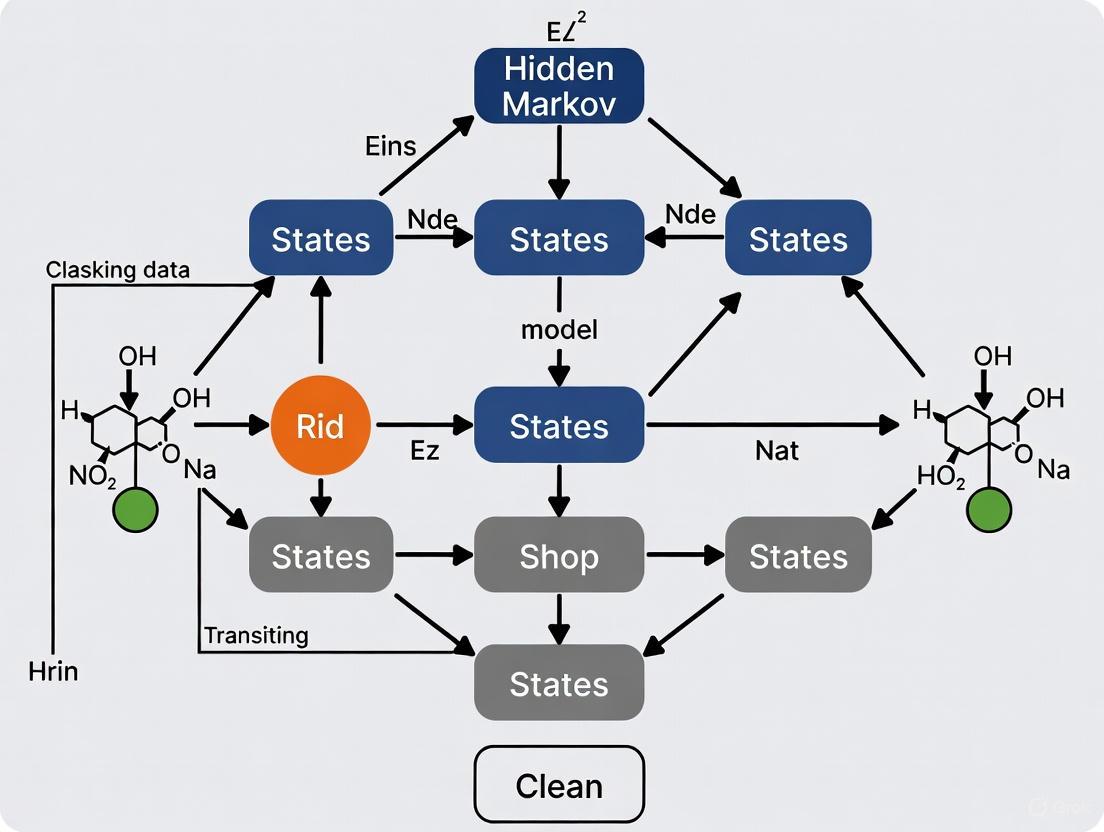
Decoding Animal Behavior: A Comprehensive Guide to Hidden Markov Models in Tracking Data Analysis
Hidden Markov Models (HMMs) have emerged as a powerful statistical framework for classifying animal behavior from tracking data, enabling researchers to infer unobserved behavioral states from observable movement patterns.
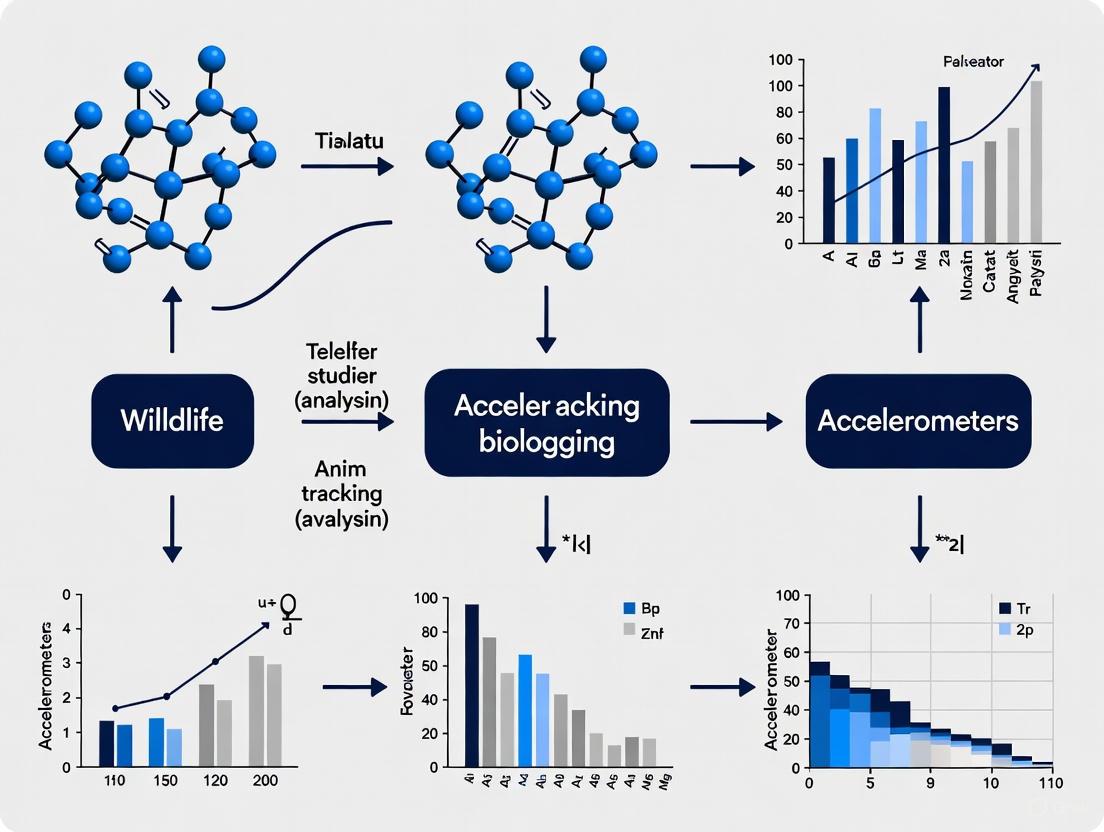
From Data to Discovery: The Transformative Role of Accelerometers in Wildlife Biologging
This article explores the pivotal role of accelerometers in modern wildlife biologging, a field revolutionizing animal ecology and conservation.
Optimizing Avian Accelerometer Sampling: A Scientific Guide to Frequency Selection for Behavior Classification
Determining the optimal accelerometer sampling frequency is critical for obtaining accurate behavioral classifications and energy expenditure estimates in avian studies.

Accelerometer-Based Behavior Classification: Foundational Concepts, Methods, and Validation for Biomedical Research
This article provides a comprehensive guide for researchers and drug development professionals on the foundational concepts and methodologies of accelerometer-based behavior classification.

Unveiling Animal Foraging Patterns: A Comprehensive Guide to Accelerometer Technology and Data Analysis
This article provides a comprehensive overview for researchers and scientists on the use of animal-borne accelerometers to uncover foraging patterns.
Animal-Attached Accelerometers: A Comprehensive Guide for Biomedical and Research Applications
This article provides a comprehensive introduction to animal-attached accelerometers for researchers and scientists.
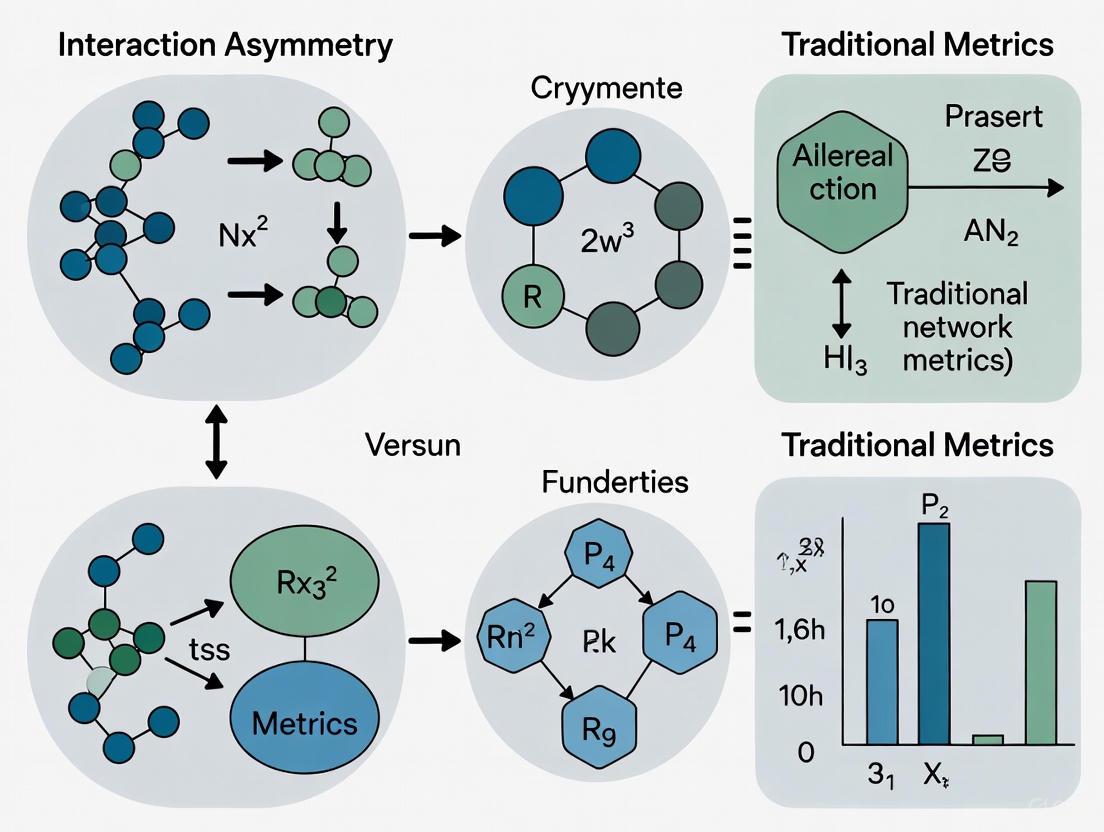
Beyond Symmetry: How Interaction Asymmetry is Reshaping Network Analysis in Drug Discovery
This article explores the critical shift from traditional, symmetric network metrics to the analysis of interaction asymmetry and its profound implications for biomedical research.
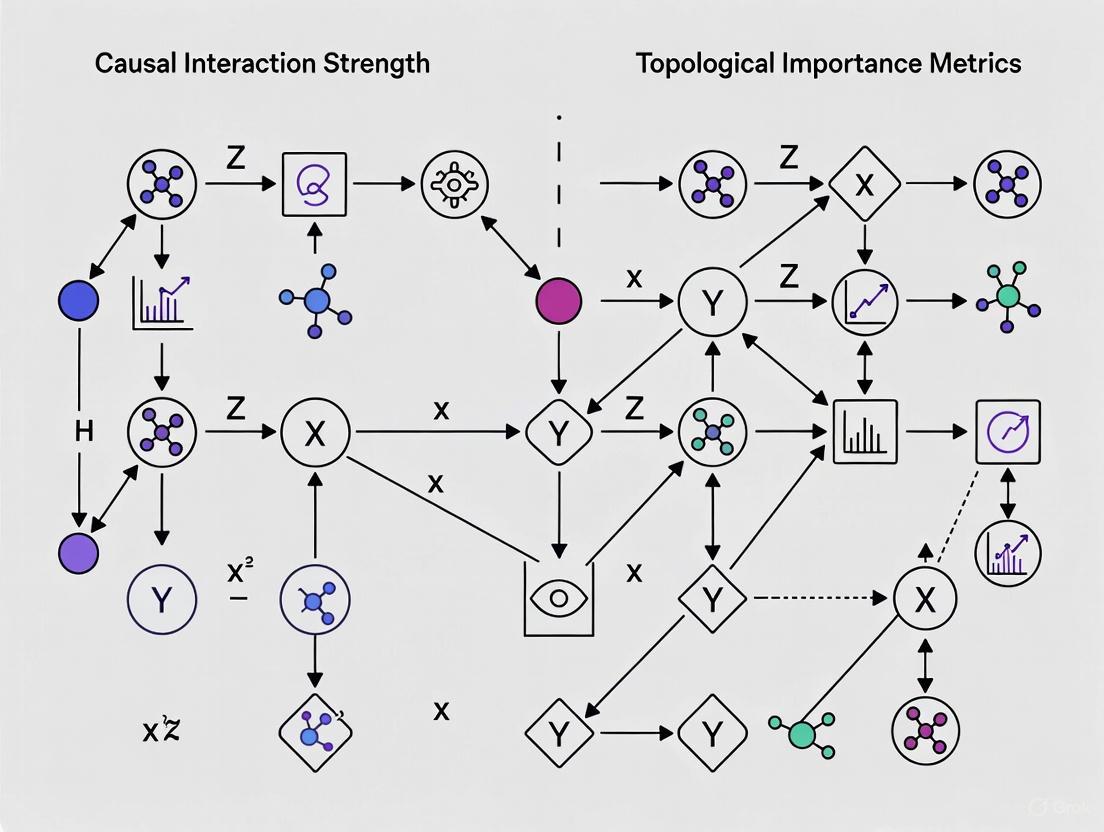
Causal Interaction Strength and Topological Importance Metrics: From Network Theory to Drug Discovery
This article provides a comprehensive exploration of causal interaction strength and topological importance (TI) metrics, essential tools for deciphering complex biological networks.
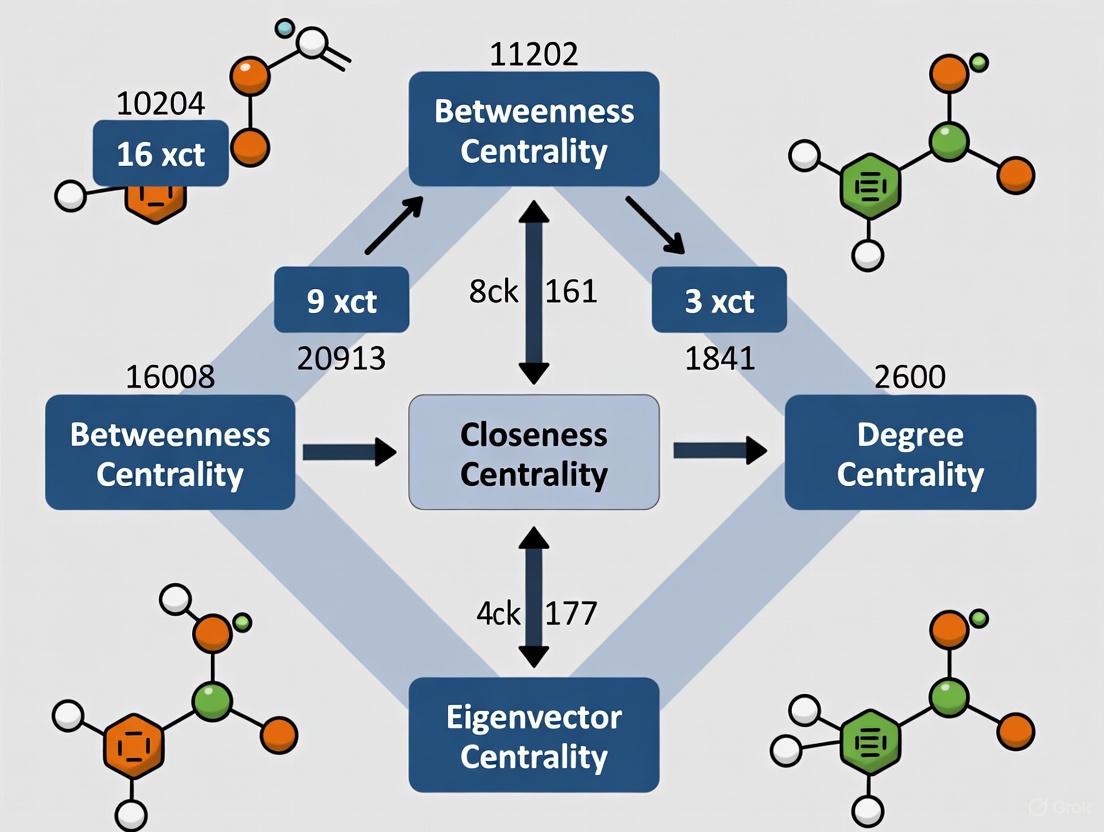
Beyond Degree Centrality: Advanced Network Indices for Robust Keystone Species Identification in Ecological and Biomedical Research
Identifying keystone species is critical for predicting ecosystem stability and managing biodiversity, yet traditional methods often fall short.
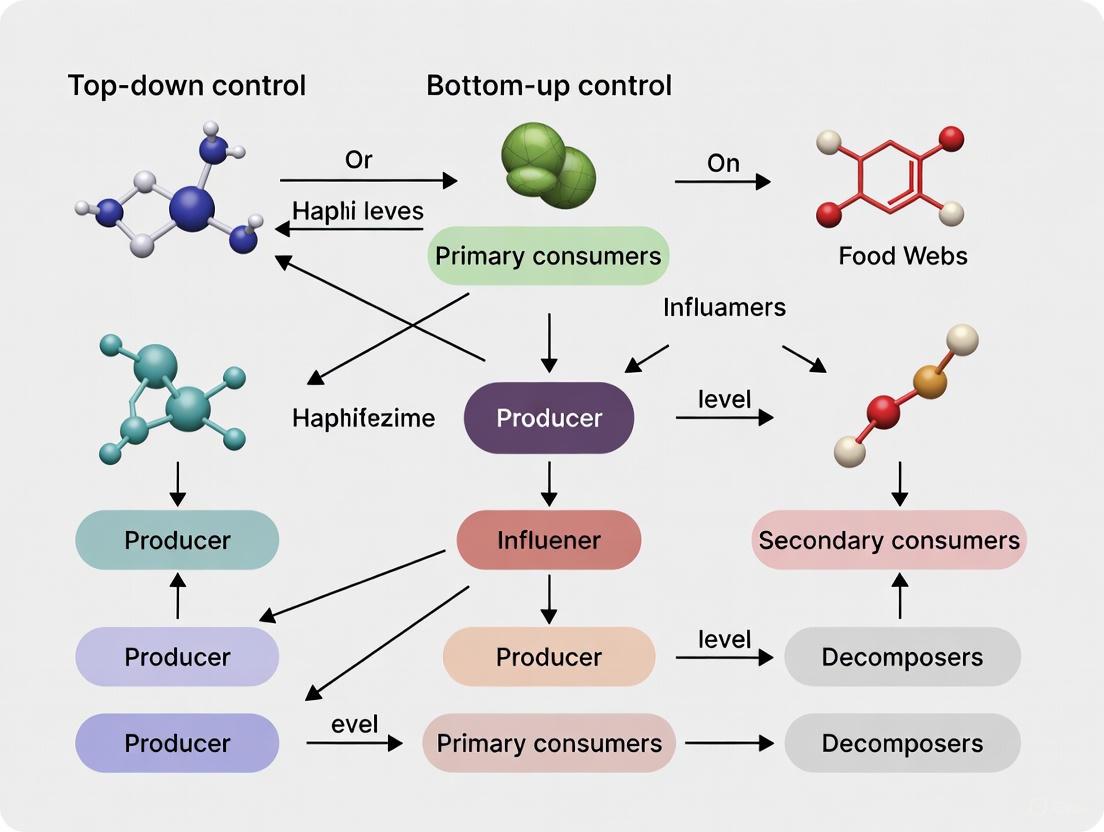
Top-Down vs. Bottom-Up Control: From Ecological Theory to Drug Discovery Applications
This article synthesizes the foundational principles of top-down (predator-driven) and bottom-up (resource-driven) control in ecological food webs and explores their critical parallels in pharmaceutical research and development.